Why Do Miscarriages Happen? Causes, Symptoms & Prevention Guide
Published: September 24, 2026 | Author: Maria Kanwal, Healthcare SEO Strategist
Introduction
If you have had a miscarriage, or you are afraid of having one, you are not alone. Miscarriage is one of the most common complications of early pregnancy, yet it is rarely talked about openly. Many women are left asking the same painful question: “Did I do something wrong?”
In most cases, the answer is no. Most miscarriages happen because the baby did not develop properly, and most parents never learn the exact cause. This guide explains why miscarriages happen, who is at higher risk, which symptoms to watch for, the different types of miscarriage, how it is treated, what you can realistically do to lower your risk, and when to see a doctor.
Medical disclaimer: This article is for education only and does not replace advice from your doctor. If you are pregnant and have heavy bleeding, severe pain, shoulder pain, fever or fainting, seek emergency care immediately.
What Is a Miscarriage?
A miscarriage (also called early pregnancy loss or spontaneous abortion) is the natural loss of a pregnancy before 20 weeks. Most happen in the first trimester (roughly the first 13 weeks). A loss in the second trimester, up to 20 weeks, is called a late miscarriage. If a baby dies after 20 weeks, it is called a stillbirth. Some countries use slightly different cut-offs.
How common are miscarriages?
- About 10% to 20% of known pregnancies end in miscarriage.
- Some health services report a higher rate: up to 1 in 4 pregnancies end before 14 weeks. The figures differ mainly because of how early losses are counted.
- The true number is likely higher, because many losses happen so early that a woman never knew she was pregnant. Very early bleeding can be mistaken for a normal period.
- Most miscarriages happen in the first trimester.
- Recurrent miscarriage (two or more losses) affects up to 1 in 25 couples.
Why Do Miscarriages Happen? Causes & Risk Factors
1. Chromosomal abnormality miscarriage (the most common cause)
A chromosomal abnormality miscarriage accounts for about half to two-thirds of all early losses. These are primary causes of miscarriage in first-trimester pregnancies and are linked to extra or missing chromosomes in the embryo. Chromosomes carry the genes that act as instructions for how the body develops. When egg and sperm join, each parent contributes one set. If either set has too few or too many chromosomes, the pregnancy usually cannot continue.
Chromosome problems can lead to:
- Anembryonic pregnancy (blighted ovum): No embryo forms, or the embryo forms and is absorbed back into the body.
- Intrauterine fetal demise: An embryo forms but stops developing, often before any symptoms of loss appear.
- Molar pregnancy: A baby does not develop, most often because both sets of chromosomes come from the sperm. It is linked with abnormal growth of the placenta.
- Partial molar pregnancy: A fetus may start to develop but cannot survive because of an extra set of chromosomes (triploidy). Molar pregnancies cannot continue and, in some cases, placental changes can lead to cancer, so follow-up care is essential.
This condition is usually a random event. It is not caused by anything the mother did, and the next pregnancy is often healthy.
Parental genetic conditions: Sometimes one partner is healthy but carries a genetic change, such as a chromosome translocation (pieces of two chromosomes attached). If either partner carries one, passing it on makes miscarriage more likely.
Prevention: Random chromosome errors cannot be prevented. After recurrent loss, genetic testing of both partners (karyotyping) or of pregnancy tissue can help. IVF with genetic testing (PGT-A) may be discussed in selected cases, although its benefit is debated.
2. Maternal age
Egg quality declines with age, which raises the chance of chromosomal errors. Understanding miscarriage risk factors by age helps set expectations, as the risk rises noticeably after 35.
| Age | Approximate miscarriage risks |
|---|---|
| Under 35 | Lower risk (roughly 10-15% in most estimates) |
| 35 | About 20% |
| 40 | About 33% to 40% |
| 45 | About 57% to 80% |
Prevention: You cannot change your age, but you can start preconception care early, manage health conditions, and see a fertility specialist if you are over 35 or have had repeated losses.
3. Previous losses and reasons for recurrent miscarriage
Having had one or more miscarriages slightly raises the chance of another. Identifying specific reasons for recurrent miscarriage becomes a priority if you have suffered multiple losses, though most women still go on to have a healthy baby.
What to do: Ask your doctor whether investigations are needed (usually recommended after two or more losses) and whether low-dose aspirin is appropriate for you.
4. Hormonal problems
- Low progesterone or luteal phase defect: Progesterone supports the uterine lining. Some women with earlier miscarriages and early bleeding may benefit from progesterone, but only under medical advice.
- PCOS and miscarriage risk: Polycystic ovary syndrome is linked to a higher risk, often through insulin resistance and hormone imbalances.
- Thyroid disease: Untreated hypothyroidism or hyperthyroidism raises risk.
Prevention: Check thyroid (TSH), blood sugar and hormone levels before conceiving, and follow treatment plans.
5. Uncontrolled long-term conditions
- Diabetes: High blood sugar in early pregnancy raises the risk of miscarriage and birth defects.
- Thyroid disease, kidney disease, lupus and other autoimmune disorders.
Prevention: Get conditions well controlled before conception and ask your doctor to review your medications.
6. Blood clotting and autoimmune disorders
Antiphospholipid syndrome (APS) is a treatable cause of recurrent loss. Discussing antiphospholipid syndrome miscarriage treatment with a specialist can help manage this autoimmune disorder, which causes blood to clot more easily and reduces blood flow to the placenta.
Treatment: If APS is confirmed, low-dose aspirin with heparin during pregnancy can improve outcomes.
7. Uterus and cervix problems
- Fibroids, especially those that change the shape of the uterine cavity
- Unusual uterine shape, such as a septate uterus (a wall of tissue dividing the uterus)
- Intrauterine adhesions (Asherman syndrome, scar tissue)
- Cervical insufficiency and miscarriage: a weak cervix opens too early, which is one of the main miscarriage after 12 weeks causes.
Prevention/treatment: Ultrasound, hysteroscopy or MRI can identify these. Some can be corrected surgically, and a cervical cerclage (stitch) may be offered for cervical insufficiency.
8. Infections
Some infections raise the risk, including listeria, rubella, cytomegalovirus, parvovirus B19, malaria, toxoplasmosis, syphilis and, in some cases, bacterial vaginosis.
Prevention: Get vaccinated (for example rubella and flu) before or during pregnancy as advised, avoid unpasteurised dairy, raw or undercooked meat and unwashed produce, wash hands often, treat STIs and attend antenatal screening.
9. Lifestyle and environmental risk factors
- Smoking: Including secondhand smoke
- Alcohol: Heavy use raises risk, and no safe level is established in pregnancy)
- Illegal drugs: Such as cocaine
- High caffeine intake: Most experts advise no more than 200 mg per day, about one 12-ounce cup of brewed coffee. Check labels on tea, cola, energy drinks and chocolate too.
- Weight: Being overweight or obese, or being underweight, is linked to higher risk
- Toxin exposure: Heavy metals, certain pesticides, solvents and radiation
Prevention: Quit smoking and alcohol, limit caffeine, aim for a healthy weight, and discuss workplace chemical or radiation exposure with your care team.
10. Medications
Some medicines increase risk, including regular NSAID use in early pregnancy, methotrexate, misoprostol and isotretinoin. Never stop a prescribed medicine on your own. Speak to your doctor before trying to conceive so medicines can be adjusted safely.
11. Placenta and pregnancy location problems
Poor implantation or placental problems can lead to loss. Ectopic pregnancy (outside the uterus) and molar pregnancy are separate forms of pregnancy loss that need urgent medical care.
12. Male factors
Sperm DNA fragmentation and sperm chromosome problems may contribute in some couples.
Prevention: Partners should avoid smoking and alcohol, avoid heat exposure, keep a healthy weight, and see a specialist if losses recur.
13. Unexplained causes
Often, especially with recurrent loss, no cause is found. Most couples still go on to have a healthy pregnancy with supportive care.
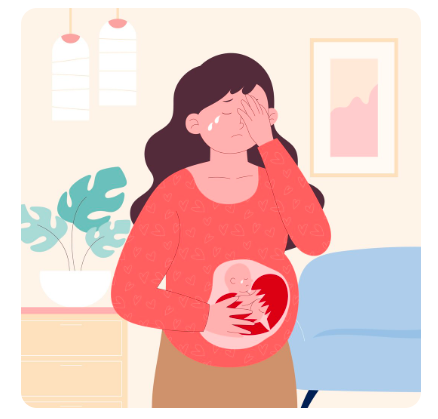
Quick risk-factor summary
You are more likely to have a miscarriage if you are older, have had previous miscarriages, have an uncontrolled long-term condition, have uterine or cervical problems, smoke, drink heavily, use caffeine in high amounts or illegal drugs, are underweight or overweight, or carry a genetic condition such as a translocation.
What Does NOT Cause Miscarriage? (Common Myths)
Many women blame themselves and wonder, “Why do women have miscarriages?” or if a fall or a stressful day was to blame. Usually, miscarriage is a random event that is no one’s fault. These are not proven causes:
- Exercise in a healthy pregnancy (talk to your care team first and avoid contact sports or activities with injury risk)
- Sex during pregnancy
- Having an argument or everyday stress (can stress cause miscarriage? Normal daily stress has not been shown to cause pregnancy loss)
- Using birth control pills before pregnancy
- Working normally, unless exposed to high doses of harmful chemicals or radiation
- Lifting light objects, desk work, or air travel in a healthy, low-risk pregnancy
- Eating spicy food
- A minor fall or bump in early pregnancy
Severe trauma and heavy substance use are different, and medical care is needed.
Early Miscarriage Symptoms and Signs: What to Watch For
- Vaginal bleeding, from light spotting to heavy bleeding, with or without pain
- Cramping pain in the lower abdomen, pelvis or lower back
- Passing blood clots, fluid or pregnancy tissue from the vagina
- A fast heartbeat (can occur with heavy blood loss)
- Reduced pregnancy symptoms such as nausea or tiredness (on its own this is not conclusive)
- Sometimes no symptoms at all (a missed miscarriage no symptoms scenario, where the pregnancy ends unnoticed until a scan)
Tip: If you pass tissue, place it in a clean container and bring it to your doctor or the hospital. A lab can examine it to confirm a miscarriage and sometimes look for a cause.
Miscarriage vs spotting difference: Is bleeding always a miscarriage?
No. Understanding the miscarriage vs spotting difference is key, as up to 2 in 5 women have spotting or light bleeding in the first trimester, and many go on to carry the pregnancy to term. Bleeding in early pregnancy can also be caused by:
- Normal changes in the uterus as the pregnancy begins
- Ectopic pregnancy
- Molar pregnancy
- Cervical or vaginal problems such as infection or polyps
Still, always get bleeding checked.
What to Do If You Think You Are Having a Miscarriage
- Light bleeding and you feel well: Contact your doctor or midwife straight away. They can advise whether to go to the hospital or arrange tests such as an ultrasound and blood tests.
- Bleeding is getting heavier, or you have pain or feel unwell: Go to the nearest hospital emergency department immediately.
- Very heavy bleeding, strong pain or feeling unwell: Call your local emergency number and ask for an ambulance.
- Do not be alone if you can help it: Call your partner, a family member or a friend for support.
- Keep any tissue you pass in a clean container for testing.
When to seek emergency care (possible ectopic pregnancy)
Get emergency help right away for heavy bleeding, severe pain on one side of the pelvis, shoulder pain or fainting. These are warning signs of an ectopic pregnancy, which needs immediate treatment.
Types of Miscarriage
| Type | What it means |
|---|---|
| Threatened | Bleeding or lower abdominal pain, but the cervix stays closed. It can last days or weeks. The pregnancy may continue normally or progress to miscarriage. There is no proof that bed rest or any other treatment changes the outcome. |
| Inevitable | The miscarriage has started: vaginal bleeding, strong cramps and an open cervix. |
| Complete | All pregnancy tissue has left the uterus. Bleeding and pain settle afterwards. A check-up is advised to confirm it is complete. |
| Incomplete | Some tissue has passed but some remains in the uterus. Bleeding and cramps may continue, or symptoms may stop. Retained tissue raises the risk of infection, so treatment may be needed. |
| Missed (silent) | The pregnancy has ended but stays in the uterus with no miscarriage symptoms. It is often found at a routine visit or scan. Pregnancy symptoms such as nausea and tiredness may have faded. |
| Recurrent | Two or more miscarriages. |
How Doctors Diagnose a Miscarriage
- Review of your symptoms and a pelvic exam
- Ultrasound (usually transvaginal) to check the embryo, heartbeat and type of miscarriage
- hCG blood tests to see whether pregnancy hormone levels are rising normally
- Tissue testing for chromosome analysis when appropriate
- Recurrent pregnancy loss tests are specialized blood tests for thyroid function, blood sugar, clotting factors and antibodies, particularly after repeated losses
Treatment Options After a Miscarriage
The right choice depends on your health, how far along you were, and your preference. Your doctor will explain the options.
1. Expectant (natural) management: “watch and wait”
You go home and wait for the tissue to pass naturally. This may happen quickly or take a few weeks. If nothing has passed after 1 to 2 weeks, speak to your doctor: you can keep waiting if you feel well or choose treatment. A follow-up ultrasound confirms the miscarriage is complete.
2. Medical management
A medicine called misoprostol (if recommended by a physician) helps the cervix open and the uterus contract so tissue passes sooner. Expect heavy bleeding, pain and nausea; your doctor can provide medicine for these symptoms. Most women can go home, though some are advised to stay in hospital until the tissue has passed.
3. Surgical management
A minor procedure, such as suction curettage (vacuum aspiration) or D&C, removes the tissue from the uterus. It is often recommended for heavy bleeding or signs of infection, when other methods have not worked, or if you prefer to limit pain and bleeding and avoid waiting.
Also ask your doctor about: Rh blood group status. Some women who are Rh-negative may need an anti-D injection after a pregnancy loss. Your care team will advise whether it applies to you.
Complications After Miscarriage (Know the Warning Signs)
Septic miscarriage (uterine infection)
Tissue left in the uterus can cause an infection about 1 to 2 days later. Symptoms include:
- Fever above 100.4 °F (38 °C) more than twice
- Chills
- Pain in the lower abdomen
- Foul-smelling vaginal discharge
- Vaginal bleeding
Call your care team or go to emergency care immediately. The illness can worsen fast and become life-threatening without treatment.
Hemorrhage (heavy bleeding)
Signs include a fast heartbeat, dizziness from low blood pressure, and tiredness or weakness from anemia. Get medical care at once. Some women need a blood transfusion or surgery.
How to Prevent Miscarriage Naturally: A Practical Prevention Guide
While chromosome-related losses cannot be stopped, learning how to prevent miscarriage naturally through healthy habits and preconception care can optimize your health for pregnancy.
Before you conceive
- Book a preconception check-up to review health conditions, medicines and vaccinations.
- Take folic acid (at least 400 mcg daily starting at least a month before conception; higher doses if advised) or a daily multivitamin.
- Reach a healthy weight.
- Control diabetes, thyroid and other long-term conditions.
- Stop smoking, vaping, alcohol and recreational drugs.
- Screen for and treat infections.
During pregnancy
- Start regular prenatal care early.
- Eat a balanced diet: whole grains, leafy greens, lean protein, iron- and iodine-rich foods.
- Avoid foods to prevent miscarriage: raw meat and fish, unpasteurised milk and soft cheeses, undercooked eggs, and high-mercury fish.
- Limit caffeine to 200 mg a day or less.
- Stay hydrated and sleep well.
- Exercise gently (walking, prenatal yoga) if your doctor approves.
- Take only doctor-approved medicines and supplements.
- Manage stress with rest, counselling and support.
- If you have had a previous miscarriage, ask whether low-dose aspirin is right for you.
If you have had recurrent miscarriages
After two or more losses, ask your doctor about:
- Blood tests for APS, thyroid function and blood sugar
- Genetic (karyotype) testing for both partners
- Pelvic ultrasound, 3D ultrasound or hysteroscopy
- Early pregnancy monitoring and supportive care
- Progesterone support in selected cases
- Low-dose aspirin and/or heparin if APS is confirmed
- Referral to a fertility specialist or assisted reproductive technology if appropriate
Recovery: Physical and Emotional Healing
Physical recovery
- Bleeding can last one to two weeks, and periods usually return within 4 to 6 weeks.
- Use pads rather than tampons until your doctor says otherwise.
- Attend follow-up checks or scans to confirm the miscarriage is complete.
- See a doctor urgently for fever, foul discharge, very heavy bleeding or severe pain.
Miscarriage recovery emotional support
Grief after miscarriage is real and valid. Miscarriage recovery emotional support is essential: you may feel sadness, guilt, anger, anxiety or numbness. Self-care and accepting help from others matter for both physical and emotional recovery. Talk with your partner, join a support group or see a counsellor. Partners can grieve too, and people and families may benefit from tailored support. If low mood lasts or you have thoughts of harming yourself, seek professional help right away.
How soon can you get pregnant after miscarriage?
Many doctors say you can try again after one normal period, or when you feel physically and emotionally ready. Most women (around 85% or more) go on to have a successful pregnancy after a single miscarriage.
When to See a Fertility Specialist
- Two or more consecutive miscarriages
- A miscarriage after 12 weeks
- Known uterine abnormalities
- Age 35+ with repeated losses
- Known autoimmune or clotting disorders
- Difficulty conceiving
Frequently Asked Questions (People Also Ask)
Why do miscarriages happen in the first trimester?
Mostly because of chromosome abnormalities in the embryo, which stop it developing normally. Hormonal problems, infections, uterine problems and health conditions are less common causes.
What is the most common cause of miscarriage?
Chromosome abnormalities. About half to two-thirds of first-trimester losses are linked to them. They are random events and usually not preventable.
Is a miscarriage my fault?
Almost never. Falls, scares, arguments, exercise, sex and everyday stress are not proven causes. Most miscarriages are random events that no one could have prevented.
What are the early warning signs of a miscarriage?
Vaginal bleeding or spotting, cramping in the lower abdomen or back, passing clots or tissue, and sometimes reduced pregnancy symptoms. Some miscarriages have no symptoms.
Is it normal to bleed in early pregnancy?
Light bleeding is common: up to 2 in 5 women have spotting or bleeding in the first trimester, and many go on to have healthy pregnancies. It should still always be checked.
Can a miscarriage happen without pain or bleeding?
Yes. A missed miscarriage may cause no symptoms and may only be found at a routine scan.
Can stress cause a miscarriage?
Normal daily stress has not been shown to cause miscarriage. Managing chronic stress is still good for overall health.
Can lifting heavy objects cause a miscarriage?
Ordinary lifting has not been proven to cause miscarriage, but it is wise to avoid strenuous heavy lifting and follow your doctor’s advice.
Can you stop a miscarriage once it starts?
Usually not. A threatened miscarriage may settle on its own, but bed rest and other treatments have not been shown to change the outcome. A doctor can assess the pregnancy and, in selected cases, consider progesterone.
How long does a threatened miscarriage last?
Symptoms can last days or weeks. The bleeding and pain may improve and the pregnancy may continue, or the cervix may open and a miscarriage follow.
How long does it take to pass tissue naturally?
It can happen quickly or take a few weeks. If nothing has passed after 1 to 2 weeks, speak with your doctor about options.
Does having one miscarriage mean I will have another?
No. Most women who have one miscarriage go on to have a healthy pregnancy, although risk rises slightly with each loss.
How common is recurrent miscarriage?
Two or more miscarriages affect up to 1 in 25 couples. Testing is usually recommended.
How soon can you get pregnant after a miscarriage?
Ovulation can return within about two weeks, so pregnancy is possible soon. Many doctors suggest waiting until you feel ready, often after one normal cycle.
What is a blighted ovum (anembryonic pregnancy)?
A pregnancy in which a gestational sac forms but no embryo develops, or the embryo is absorbed early. It is usually caused by chromosome problems.
What is a molar pregnancy?
A pregnancy in which the placenta grows abnormally and a baby does not develop properly, usually because of chromosome errors. It cannot continue and needs medical follow-up.
Can vitamin deficiency cause miscarriage?
Folate deficiency is linked to neural tube defects, and poor nutrition affects overall health. Ask your doctor about testing vitamin D, B12 and iron if you are concerned.
Can PCOS cause miscarriage?
PCOS is associated with higher risk, mainly through insulin resistance and hormone imbalance. Treatment and weight management can help.
Can a father’s health cause miscarriage?
Sperm DNA damage and chromosome issues, including inherited translocations, may play a role in some cases.
What foods should be avoided to reduce miscarriage risk?
Raw or undercooked meat, high-mercury fish, unpasteurised dairy, raw eggs, excess caffeine and alcohol.
Does exercise cause miscarriage?
Moderate exercise in a healthy pregnancy is considered safe. Avoid contact sports and high-injury-risk activities and check with your doctor first.
Can obesity or being underweight cause miscarriage?
Both are linked to a higher risk. Reaching a healthy weight before pregnancy helps.
Should I take aspirin or a multivitamin to prevent miscarriage?
A daily multivitamin (with folic acid) is generally advised. If you have had a miscarriage before, ask your doctor whether low-dose aspirin is right for you. Do not start aspirin without medical advice.
When should I go to the emergency room?
For heavy bleeding, strong pain, fever, foul-smelling discharge, dizziness or fainting, and especially one-sided pelvic pain or shoulder pain, which can signal an ectopic pregnancy.
Key Takeaways
- Miscarriage is common, affecting 10% to 20% of known pregnancies (up to 1 in 4 by some estimates).
- Chromosome abnormalities are the leading cause, and they are not your fault.
- Age, past losses, hormonal disorders, uterine problems, clotting disorders, infections and lifestyle factors can raise risk.
- Preconception care, healthy habits and controlling chronic conditions can lower your risk.
- Know the difference between spotting and warning signs that need urgent care.
- Treatment options include waiting, medicine or a minor procedure.
- Recurrent loss deserves testing and specialist care.
- Grief is valid, and support is available.
Take the Next Step
Are you a doctor, fertility clinic, gynecologist or women’s health practitioner who wants to reach women searching for answers like these every day?
MedRankSEO helps healthcare providers rank higher on Google, attract more patients and build trust online through medical SEO, content strategy and local search optimization.
Contact MedRankSEO today for a free SEO consultation and start getting more patients online.