Hantavirus 2026: Andes Virus Outbreak, Symptoms, Treatment & How AI Is Changing the Fight Against Infectious Disease
Written By: Maria Kanwal| Healthcare SEO Strategist | Written and Reviewed in May 2026|
On the Dutch cruise ship MV Hondius, WHO has documented 8 cases (6 laboratory-confirmed) and 3 fatalities as of May 12, 2026, for a 38% case fatality rate. The Andes virus, the only strain of hantavirus known to pass from person to person, is the cause. A Level 3 emergency response has been issued by the CDC. Global pandemic risk is currently LOW, according to the WHO and public health experts.
Passengers on an excursion ship across the South Atlantic started becoming seriously ill in early April 2026. The worry that a little-known virus known as Hantavirus was, for the first time, spreading from person to person in a confined space made what followed one of the most keenly monitored infectious disease events since the COVID-19 epidemic. By May 2026, the globe was posing difficult questions, such as: What is a hantavirus? Will the hantavirus 2026 outbreak become the next pandemic? Can we combat it with the use of contemporary technology, particularly artificial intelligence in pandemic response?
This thorough guide explores the vital role AI virus detection and digital health tools are playing in identifying, monitoring, and possibly curing this deadly virus, in addition to providing answers to all the questions people are currently asking.
What Is Hantavirus? The Basics You Need to Know
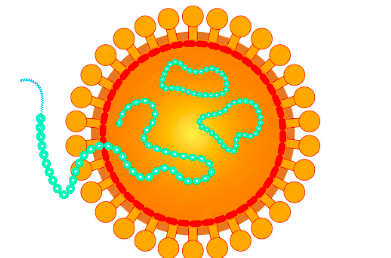
Hantaviruses belong to the class of zoonotic viruses, which can infect humans after starting in animals. They are mostly spread by rodents like rats, deer mice, and white-footed mice. They are members of the Hantaviridae family. Humans can contract the virus by breathing in contaminated particles, such as dust that has been stirred in an old barn or lodge, when infected mice excrete the virus through their urine, feces, or saliva.
Although there are numerous hantavirus strains throughout the world, they primarily cause two kinds of illness in people:
HPS (Hantavirus Pulmonary Syndrome) Mostly found throughout the Americas. Hantavirus pulmonary syndrome symptoms include significant respiratory distress caused by attack on the lungs. Up to 38–50% of people die.
Hemorrhagic Fever with Renal Syndrome (HFRS) Prevalent across Europe and Asia. Impacts the kidneys. Less than 1–15% of people die.
| Strain | Region | Disease | Mortality |
| Andes Virus | South America | HPS (Pulmonary) | Up to 50% |
| Sin Nombre Virus | North America | HPS (Pulmonary) | 30–40% |
| Hantaan Virus | Asia (Korea, China) | HFRS (Renal) | 1–15% |
| Puumala Virus | Europe (Scandinavia) | Mild HFRS | < 1% |
Understanding Andes virus vs hantavirus broadly: the Andes virus is one specific strain within the hantavirus family, and it is uniquely dangerous because it is the only strain confirmed to spread person-to-person.
The 2026 Hantavirus Outbreak: What Actually Happened on the MV Hondius Cruise Ship
The hantavirus on cruise ship MV Hondius is at the center of the current hantavirus outbreak, which has drawn interest from all around the world. This is a concise timeline of what transpired:
Timeline of the MV Hondius Hantavirus Outbreak (2026)
| Date | Key Event |
| Nov 2025 – Apr 1, 2026 | Index case (a Dutch citizen) travels through Argentina, Chile & Uruguay on a birdwatching trip. Likely exposed to rodents at a landfill near Ushuaia. |
| April 1, 2026 | MV Hondius departs Ushuaia, Argentina, with 147 passengers & crew from 23 countries. |
| April 11, 2026 | First passenger (the index case) dies aboard ship from severe respiratory illness. |
| April 24, 2026 | Ship docks at Saint Helena. The index case’s wife disembarks and dies 2 days later in a Johannesburg hospital. A third passenger also dies. |
| May 2, 2026 | WHO is officially notified of a cluster of severe acute respiratory illness (SARI) aboard the ship. Two confirmed deaths, one critically ill. |
| May 6, 2026 | WHO confirms Andes virus as the causative agent. Three patients medically evacuated to the Netherlands. Argentina’s health ministry launches investigation. |
| May 7, 2026 | CDC dispatches a team to the Canary Islands. US issues Level 3 emergency classification. |
| May 8, 2026 | WHO reports 8 total cases (6 confirmed), 3 deaths. Hantavirus death rate 2026: 38% CFR. Cases hospitalized across 6 countries. |
| May 10, 2026 | Ship arrives in Tenerife, Canary Islands. Passengers disembark and repatriated to home countries. |
| May 12, 2026 | 18 US passengers repatriated. One tests PCR-positive for Andes virus; another shows early symptoms. CDC confirms US pandemic risk remains extremely low. |
Hantavirus Symptoms: Early Warning Signs You Must Not Ignore
The fact that early hantavirus symptoms — particularly hantavirus pulmonary syndrome symptoms — are easily confused with the flu is one of the most hazardous features of this virus. Early intervention, which can mean the difference between life and death, depends on understanding the two-phase development.
Phase 1: Early (Prodromal) Stage — Days 1 to 5
Early Symptoms (1–5 Days Following Exposure):
- Fever (38°C/100.4°F or higher)
- Extreme exhaustion and weakness
- Severe muscle aches (particularly in the legs, hips, back, and shoulders)
- Headaches and dizziness
- Chills
- Nausea, vomiting, diarrhea, and abdominal discomfort
Critical Note: These symptoms are almost exactly the same as influenza. Travel history and known rodent exposure are necessary for diagnosis at this point in order to raise suspicions.
Phase 2: Cardiopulmonary Stage — Days 4 to 10
Late Symptoms — Medical Emergency:
- Breathlessness that worsens quickly
- A dry, then violent, cough
- Fluid buildup in the lungs (pulmonary edema)
- Low blood pressure (hypotension)
- Heart failure and shock
- Rapid deterioration — patients can proceed from modest symptoms to respiratory failure in a matter of hours.
Incubation Period: After exposure, symptoms usually show up 4 to 42 days later, with an average of 1 to 3 weeks. This lengthy gap makes contact tracing extremely difficult, which is one of the main reasons the MV Hondius outbreak was so hard to contain.
How Does Hantavirus Spread? The Human-to-Human Question
Everyone is asking how does hantavirus spread person to person, and the answer is what makes the 2026 outbreak particularly concerning.
Standard Hantavirus Spread (All Strains)
- Breathing in dust or aerosols contaminated with the urine, feces, or saliva of infected rodents
- Touching the mouth, nose, or eyes after coming into contact with contaminated surfaces
- Seldom, via rodent bites carrying the infection
- It cannot be spread through food or water.
Human-to-Human Transmission: Andes Virus Only
This Is What Makes the 2026 Hantavirus Outbreak Different
The only known strain where hantavirus spread occurs person-to-person is the Andes virus. Is hantavirus contagious between humans? For the Andes virus specifically: yes, but only through direct physical contact with an infected individual, extended time spent in enclosed areas, contact with saliva or respiratory secretions (kissing, sharing utensils), or handling contaminated bedding or personal items. It has not been shown that casual contact, such as walking past someone on the street or sharing a building, can spread the virus. Both the CDC and WHO stress that there is still an extremely small chance of widespread population transmission.
Is Hantavirus the Next COVID-19?
The short answer is: No — not based on current evidence. Here is why experts say this hantavirus 2026 outbreak is not comparable to COVID-19:
| Hantavirus (Andes) | COVID-19 (SARS-CoV-2) |
| Requires close, prolonged contact for human-to-human spread | Spreads easily through respiratory droplets and airborne transmission |
| No documented asymptomatic spread | Massive asymptomatic transmission documented |
| No confirmed cases of spread through casual contact | Spread via brief contact, surfaces, poorly ventilated rooms |
| Very rare human-to-human cases historically | Rapid global spread within weeks |
| Basic reproduction number (R0) very low | R0 of 2–3+ in early pandemic phases |
| Effective ICU care (ECMO) can achieve ~80% survival | Severity varied widely; vaccines available |
Hantavirus next pandemic risk remains very low. Scientists and public health authorities broadly agree this is a serious but contained infectious disease event, not the beginning of a global pandemic.
Diagnosis: How Is Hantavirus Detected?
Early diagnosis of HPS is extraordinarily difficult, particularly in the first 72 hours before the virus is detected in bodily fluids. One of the most hazardous features of the illness is this diagnostic gap.
Current Techniques for Diagnosis
- RT-PCR Testing (gold standard): Able to identify genetic material from the Andes virus in secretions, saliva, or blood. For accuracy, it must be done more than 72 hours after the onset of symptoms.
- Serology (IgM/IgG Antibody Tests): Quest Diagnostics, the CDC, and several state labs offer CLIA-certified assays. Detects the virus’s immunological reaction.
- Chest X-ray and CT Imaging: Advanced stages of pulmonary edema and respiratory involvement can be detected.
- Complete Blood Count (CBC): May reveal early laboratory indicators such as thrombocytopenia (low platelets) and increased white blood cells.
Diagnostic Gap: The 72-Hour Problem
Clinicians must rely on clinical judgment, travel history, and environmental exposure because hantavirus cannot be accurately diagnosed within the first three days of illness. When a patient presents with flu-like symptoms and reports rodent contact or travel to South America within the last six weeks, hantavirus needs to be considered as a differential diagnosis. The typical procedure is to repeat tests 72 hours after the onset of symptoms.
Hantavirus Treatment: What Happens When You Are Infected?
There is no approved, targeted antiviral medication for hantavirus — a crucial truth that shocks many people. There is currently no medication that can specifically target and eradicate the infection. The entire course of hantavirus treatment is supportive, meaning doctors manage the body’s symptoms while the immune system battles the infection.
Standard Supportive Care
- Immediate ICU admission is necessary because rapid deterioration is typical
- Respiratory support: more oxygen and mechanical ventilation
- Fluid management: care not to exacerbate pulmonary edema
- Vasopressors for blood pressure support in shock conditions
- Constant cardiac monitoring
ECMO: The Game-Changer in Severe Cases
Extracorporeal Membrane Oxygenation (ECMO) — Up to 80% Survival in Severe HPS
ECMO is a life-supporting technology that oxygenates blood outside the body by replacing the heart and lungs. ECMO has shown survival rates of about 80% when started early in severe HPS cases, a significant improvement above the 38–50% mortality observed without this intervention. One of the best indicators of survival in hantavirus pulmonary syndrome is having access to ICUs with ECMO capabilities.
Investigational Treatments (Research Stage)
- Ribavirin (antiviral): Limited data in HPS; some benefit in early HFRS. FDA approval for hantavirus still pending.
- Immunoglobulin therapy: Research into passive immunity transmission.
- Favipiravir and Remdesivir: Broad-spectrum antiviral activity being assessed.
- Monoclonal antibodies: Initial studies focusing on the surface proteins of the Andes virus.
There is no hantavirus vaccine 2026 — no licensed vaccine exists anywhere in the world as of 2026. Global calls for quicker vaccine research have intensified as a result of the hantavirus outbreak, and this is exactly where artificial intelligence is changing the course of events.
How AI Is Transforming the Fight Against Hantavirus (and Future Outbreaks)
This is where urgency and expertise collide. As a platform devoted to AI healthcare, we believe artificial intelligence pandemic response is not only relevant to the current hantavirus problem, but it could be our best chance to stop the next outbreak from spreading. Here is how AI healthcare 2026 tools are already making a difference — and where they are headed.
1. AI Virus Detection and Early Outbreak Warning
Conventional disease surveillance relies on doctors reporting anomalous cases — a cumbersome, disjointed, and frequently late approach. AI early warning disease platforms are radically altering this:
- Natural Language Processing (NLP) models now scan hospital data, social media, news feeds, and WHO reports in real time to identify anomalous symptom clustering weeks before formal reports are made.
- Prior to the 2019 WHO declaration, BlueDot’s AI virus detection algorithm identified COVID-19 risk. Similar systems are now being trained on zoonotic disease patterns including hantavirus rodent activity indicators.
- Machine learning outbreak prediction models create dynamic, real-time risk maps by correlating rodent population spikes (associated with rainfall and agricultural cycles) with expected hantavirus risk zones.
2. AI in Diagnostic Support — Closing the 72-Hour Gap
One of the scariest aspects of hantavirus is the 72-hour diagnostic window. AI in hantavirus detection is attempting to close it:
- AI symptom-triage algorithms trained on HPS and HFRS patient data can identify high-risk patients earlier than current clinical protocols, allowing for testing and ICU preparedness prior to catastrophic deterioration.
- Computer vision models evaluating chest X-rays and CT images can detect early pulmonary edema patterns associated with HPS, possibly hours before human radiologists notice the finding.
- Field health workers and the general public can now identify high-risk vector species in their surroundings thanks to AI-driven rodent species identification, which has already shown 85%+ accuracy for deer mice and white-footed mice.
3. AI Drug Discovery for Hantavirus — The Race for an Antiviral
The lack of a licensed hantavirus therapy is a significant gap. AI drug discovery hantavirus research is substantially accelerating the timeline:
- Generative AI models such as RoseTTAFold and AlphaFold can predict the 3D protein structure of Andes virus surface proteins, producing molecular targets for AI antiviral research in days instead of years.
- The FDA’s Elsa 4.0 AI platform, introduced in May 2026 under the HALO system, supports faster regulatory workflows and scientific review processes, including potential evaluation of antiviral candidates. AI integration is “an urgent priority that will allow us to rapidly advance regulatory science and deliver more cures faster,” according to FDA Chief AI Officer Jeremy Walsh.
- AI virtual screening can evaluate millions of existing therapeutic molecules against hantavirus protein targets simultaneously — far faster than traditional laboratory screening — to uncover repurposing candidates.
- Companies like Insilico Medicine and Recursion Pharmaceuticals are using deep learning to find new small-molecule antivirals, with possible hantavirus candidates now under investigation.
4. AI in Vaccine Development
Although no hantavirus vaccine 2026 exists yet, AI is accelerating its development:
- Following the COVID-19 model, AI-based mRNA vaccine design may produce candidate sequences targeting Andes viral antigens in a matter of days.
- AI immune system simulations predict how particular vaccine formulations will elicit T-cell and antibody responses, eliminating the need for expensive early-phase animal research.
- Google DeepMind and related platforms are simulating virus-host interaction networks to determine the best antigenic targets for vaccine creation.
5. AI-Driven Contact Tracing and Epidemiology
With 147 individuals from 23 countries disembarking at various remote locations, the MV Hondius hantavirus outbreak illustrated the extraordinary complexity of modern contact tracing. AI is building the tools to manage this:
- Graph neural networks map complex social and travel networks to find high-probability transmission pathways far more rapidly and reliably than manual contact tracing.
- AI epidemiological models can concurrently simulate dozens of outbreak scenarios, helping public health officials allocate resources (diagnostic kits, ECMO-capable ICUs, quarantine facilities) to the most critical areas.
- WHO and CDC are increasingly integrating AI healthcare dashboards that combine travel patterns, healthcare capacity, and genomic sequencing data for real-time global disease information.
6. The New Global Health Security Divide — AI Resilience
AI Is Creating a New Hierarchy of Health Resilience
A crucial new truth was exposed by the 2026 hantavirus outbreak: countries and health systems that have thoroughly incorporated AI healthcare infectious disease capabilities into their surveillance, diagnostic, and response infrastructure react more quickly, more intelligently, and with lower mortality. As AI becomes the operational layer of national health security, investing in AI infrastructure is becoming a basic readiness requirement.
Hantavirus Prevention: How to Protect Yourself Right Now
Although there is still little chance of a hantavirus pandemic worldwide, hantavirus prevention is straightforward and highly effective. Hantavirus requires specific exposure to infected rodents or their excrement — it is not floating in the air around you.
If You Live In or Visit Areas With Rodent Activity
- Ventilate first: Open windows and doors of any enclosed areas for at least 30 minutes before entering. Avoid going in right after disturbing dust.
- Never dry sweep: Virus particles aerosolize when dried rodent excrement is swept or vacuumed. Always use a damp mop or disinfecting spray.
- Use PPE: Wear an N95 respirator, gloves, goggles, and disposable coveralls when cleaning rodent-infested areas.
- Seal access points: Mice can fit through a hole the size of a coin — seal any openings larger than 1/4 inch (6 mm).
- Store food securely: Keep food in rodent-proof sealed containers. Remove pet food overnight.
- Use snap traps rather than sticky traps, which cause rodents to urinate excessively due to stress.
If You Are Traveling
- Avoid wild rodents. Do not handle or approach rats, field mice, or deer mice.
- Avoid landfills and rodent-infested areas without complete skin and respiratory protection.
- Use sealed accommodations. Avoid sleeping on the ground or in areas with visible rodent activity.
- Seek emergency care immediately and tell your doctor about your travel history if you develop fever, muscle aches, and respiratory symptoms within six weeks of possible rodent exposure.
For Healthcare Workers — Contact Precautions for Andes Virus
Andes Virus Requires Special Precautions
Because hantavirus spread from person to person is unique to the Andes virus, healthcare professionals should observe: standard contact and droplet precautions at minimum; airborne safety measures (N95 respirator) for aerosol-generating procedures (bronchoscopy, intubation); complete PPE when managing ECMO; and strict hand washing following every patient interaction.
Global Hantavirus Statistics: The Bigger Picture
Although concerning, the MV Hondius cluster represents only a small portion of the year-round, silent global hantavirus burden:
| Region | Annual Cases | Key Notes |
| Americas (8 countries) | 229 cases, 59 deaths (2025) | CFR: 25.7% — highest globally |
| Europe | 1,885 cases in 2023 | Mostly Puumala — milder HFRS |
| Asia (China, Korea) | Tens of thousands annually | Declining due to rodent control programs |
| United States | ~890 total cases since 1993 | 4 states monitoring 2026 cruise contacts |
| Global (WHO estimate) | 10,000 – 100,000+ per year | Largest burden in Asia and Europe |
People Also Ask: Top Hantavirus Questions Answered
Is hantavirus contagious between humans?
Is hantavirus contagious between humans? Only the Andes virus strain has confirmed human-to-human transmission, and it requires close, prolonged contact with a sick individual — not casual interactions. All other hantavirus strains cannot spread from person to person.
What is the hantavirus death rate 2026?
The hantavirus death rate 2026 on the MV Hondius stands at 38% case fatality rate (3 deaths from 8 cases). More broadly, Hantavirus Pulmonary Syndrome mortality in the Americas can reach 50%, while mortality from mild HFRS in Europe is less than 1%. With early ICU care and ECMO support, survival in severe cases can reach about 80%.
Is there a hantavirus vaccine 2026?
No licensed hantavirus vaccine 2026 exists anywhere in the world. AI-accelerated drug discovery and AI antiviral research are actively working to fill this critical gap.
How does hantavirus spread person to person?
How does hantavirus spread person to person? For the Andes virus only: through direct physical contact, prolonged time in enclosed spaces, contact with respiratory secretions or saliva, or handling of contaminated personal items. Casual contact has not been documented as a transmission route.
What are hantavirus pulmonary syndrome symptoms?
Hantavirus pulmonary syndrome symptoms develop in two phases. Early phase (days 1–5): fever, extreme fatigue, muscle aches, headaches, chills, and gastrointestinal symptoms — very similar to flu. Late phase (days 4–10): rapidly worsening shortness of breath, dry cough, pulmonary edema, low blood pressure, and potential heart failure. Rapid deterioration from mild symptoms to respiratory failure can occur within hours.
How long does hantavirus incubation take?
After exposure, symptoms usually appear 4 to 42 days later (average 1–3 weeks). This lengthy and unpredictable interval makes early detection and contact tracing extremely difficult.
Can you get hantavirus from touching a mouse?
Yes, possibly if a mouse bites you or if you touch a mouse and then touch your face. However, breathing in infected aerosols from rodent urine, feces, or saliva is the primary route of hantavirus spread.
Should I be worried about hantavirus in 2026?
Infectious disease experts, the CDC, and the WHO all agree that hantavirus next pandemic risk is very low for the general public. Unlike COVID-19, hantavirus is difficult to transfer between individuals, and the current outbreak remains under control. Regular travel can proceed as usual.
What should I do if I think I have hantavirus?
Visit an emergency room immediately. Tell your doctor if you have traveled to South America within the last six weeks or if you may have been exposed to rodents. Patients with HPS can deteriorate rapidly, and early ICU support significantly increases survival. Do not wait.
Conclusion: Vigilance, Not Panic — And the AI Healthcare Advantage
The hantavirus 2026 outbreak on the hantavirus cruise ship MV Hondius has been concerning, resulting in three fatalities, six confirmed cases across several nations, and an unprecedented global contact tracing effort. However, there is broad scientific consensus that this is a significant infectious disease event — not the beginning of the next pandemic.
The outbreak has, however, highlighted the perilous gap in our global readiness for rare zoonotic illnesses: no hantavirus vaccine 2026, no approved hantavirus treatment, slow diagnostics, and fragmented surveillance. These gaps are not unavoidable. AI in hantavirus detection, AI drug discovery hantavirus research, machine learning outbreak prediction, and artificial intelligence pandemic response tools are reducing the timelines that have historically cost lives. The countries, healthcare systems, and institutions investing in AI healthcare 2026 infrastructure will be the ones best protecting their citizens in future outbreaks.
Key Takeaways
- The hantavirus 2026 outbreak (Andes strain) is spreading via the MV Hondius cruise ship cluster, but pandemic risk remains very low
- Hantavirus symptoms include fever, muscle aches, and ultimately acute respiratory distress — seek emergency attention immediately if suspected
- The Andes virus is the only hantavirus strain with confirmed person-to-person spread; it requires intimate, continuous contact
- The hantavirus death rate 2026 is 38% in the current cluster; early ICU care and ECMO are life-saving
- There is no hantavirus vaccine 2026 or specific treatment approved anywhere in the world
- AI virus detection, AI drug discovery hantavirus, and AI antiviral research are revolutionizing outbreak response
- For hantavirus prevention: avoid rodent contact, never dry-sweep contaminated areas, and wear PPE in high-risk environments
Want SEO-optimized content that ranks — and saves lives?
We specialize in evidence-based, AI-powered content strategies for the most important niches in health.
Pandemics & outbreaks Diseases & conditions Treatments & clinical AI in healthcare Women’s health
From hantavirus to hormones — our team creates medically accurate, search-optimized content that earns trust from both Google and your readers. No keyword stuffing. No generic fluff. Just content that performs.
Ready to rank in healthcare? Contact medrankseo.com
AI Healthcare Insights | This is not medical advice; it is merely informational. Get emergency medical attention right away if you think you may have a hantavirus infection.
Sources & References
- World Health Organization (WHO). Disease Outbreak News: Hantavirus cluster linked to cruise ship travel. May 8, 2026. who.int
- Centers for Disease Control and Prevention (CDC). 2026 Multi-country Hantavirus Cluster HAN Advisory. May 2026. cdc.gov
- CDC. Hantavirus: Current Situation Summary. May 2026. cdc.gov/hantavirus
- Wikipedia. MV Hondius hantavirus outbreak. Updated May 12, 2026.
- Drug Discovery News. Weekly Rundown: Hantavirus outbreak puts spotlight on antiviral drug discovery gaps. May 2026.
- NPR. Is hantavirus the next COVID? Experts explain. May 7, 2026.
- TODAY.com. Could the Hantavirus Cruise Ship Outbreak Lead to a Pandemic? May 2026.
- WHO. Hantavirus Fact Sheet. Updated May 2026. who.int/news-room/fact-sheets/detail/hantavirus
- Hantavirus Tracker. Live 2026 outbreak map and WHO data. hantavirustracker.io